What an Eye Exam Really Checks For (Beyond Just Vision Changes)
At Innisfil Eye Center, patients often come in expecting a routine prescription update, but a comprehensive eye exam is about much more than sharp vision. Innisfil residents might be surprised to learn that these appointments play a vital role in protecting not just eyesight, but overall health.
During your visit, our team uses an array of advanced diagnostic tools to look for subtle changes that could indicate bigger health issues down the line. This blog explains what really goes on during a comprehensive eye exam, highlights some common misconceptions, and clarifies why regular checkups are important for everyone—not just those who wear glasses.
Here's what we cover:
- What makes a comprehensive eye exam different from a basic vision test
- The core health issues and diseases we check for (not just glasses prescriptions)
- Signs and symptoms our team takes seriously
- Why regular exams matter, even if you feel fine
- Answers to a few common questions
Comprehensive Eye Exams: More Than Meets the Eye
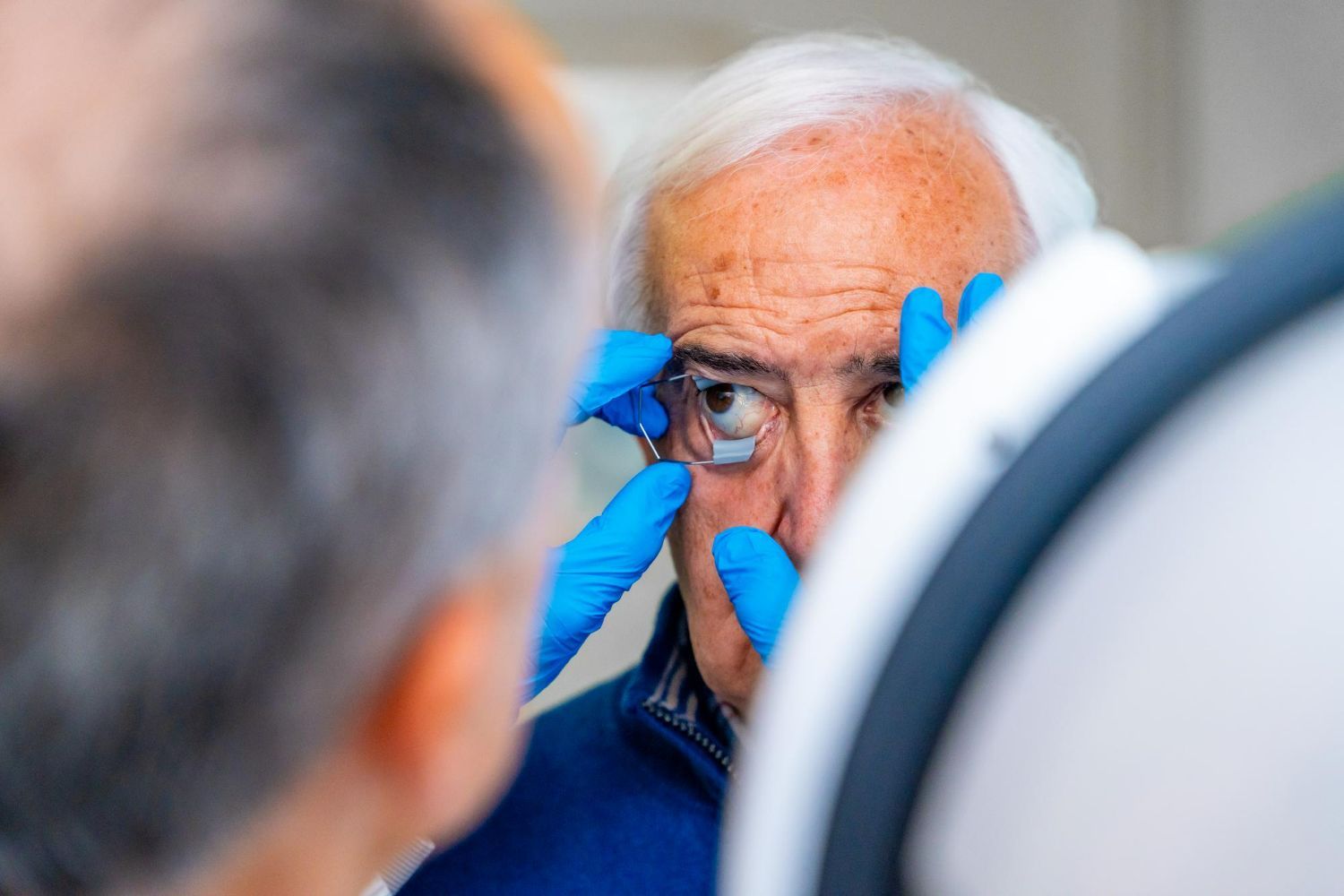
The words “eye exam” often conjure images of reading letters off a chart or flipping through test lenses. While these are part of the process, a comprehensive eye exam at Innisfil Eye Center is designed to do much more than measure your sight. We focus not only on how clearly you can see, but also on the health of every part of your eye—inside and out.
Using technology like phoropters, slit lamps, and ophthalmoscopes, our optometrists can detect early signs of conditions such as glaucoma, cataracts, and macular degeneration. Early detection can make a real difference in how these conditions are managed, sometimes even before you experience symptoms.
Common Misconceptions: It’s Not Just About Glasses
Many people in Innisfil assume that if their vision hasn't changed, they can safely skip their next eye exam. This is a risky assumption for several reasons. Vision changes can be gradual, and many serious eye conditions develop with little or no discomfort at first.
A comprehensive eye exam looks beyond changes in vision. For example, diabetic retinopathy, high blood pressure, and even some neurological issues can be first spotted through a detailed retinal examination. Our team checks for eye muscle balance, evaluates your peripheral vision, and examines your eye’s internal structures. This kind of assessment is simply not possible with quick screenings or online “eye tests.”
The Full Scope: What’s Checked and Why It Matters
When you come in for a comprehensive eye exam at Innisfil Eye Center, here’s what you can expect:
● Vision Clarity: Visual acuity tests determine how well you see at various distances.
● Prescription Assessment: Refraction tests and autorefractors help determine the need for glasses or contact lenses.
● Eye Pressure: This quick test can reveal early signs of glaucoma.
● Tear Film and Surface Health: Especially important for those with dry eye concerns.
● Retinal & Internal Eye Examination: Using specialized equipment, we look for anything from small bleeds to tissue changes.
● Peripheral Vision Screening: Not just about reading an eye chart, but detecting functional issues your brain may be compensating for.
Innisfil, with its growing and diverse population, sees everything from childhood vision challenges to age-related eye health issues. We tailor each exam to your risk factors and medical history to ensure nothing is overlooked.
Silent Risks: Why Regularity Beats Waiting for Symptoms
It’s understandable to want to delay appointments when life gets busy or when nothing “feels” wrong. However, just like routine dental cleanings or physicals, regular comprehensive eye exams are your first line of defense against both preventable vision loss and other health emergencies.
Diseases like glaucoma are often called “silent thieves of sight” because they progress painlessly. Only with thorough, periodic checks can we intervene early and preserve your vision and health. If you’re an Innisfil resident with a family history of diabetes, glaucoma, or age-related eye problems, a personalized schedule could be especially important.
Frequently Asked Questions
How often should I have a comprehensive eye exam?
Generally, adults should schedule an exam every one to two years, but those with existing health issues or higher risk factors may need more frequent visits.
Can an eye exam really detect general health problems?
Yes. In addition to eye diseases, comprehensive exams may reveal signs of high blood pressure, diabetes, or autoimmune diseases. The eye is a window to your overall health.
Will I need to have my eyes dilated at every exam?
Not necessarily. Dilation is sometimes needed for a detailed retinal view, especially if you have risk factors. We discuss this during your visit.
Why a Thorough Eye Exam Is Worth Prioritizing
By now, it’s clear that comprehensive eye exams at Innisfil Eye Center go far beyond simply updating your eyewear prescription. Book your next checkup with confidence, knowing you’re protecting your eyes and your whole body’s health.
Share This Blog